

Guide to the telc B1 Certificate Exam: Everything You Need to Know
The telc B1 certificate exam is a worldwide acknowledged language efficiency test that assesses intermediate-level language abilities according to the Common European Framework of Reference for Languages (CEFR). Focused on people who have a solid fundamental understanding of a language, this exam serves different functions, such as showing language competency for work, research study, or personal reasons. In this short article, we check out the benefits of acquiring a telc B1 certificate, the structure of the exam, and some ideas to assist you succeed.
What is the telc B1 Certificate Exam?
The telc (The European Language Certificates) B1 exam assesses your language efficiency at the CEFR B1 level, which represents an intermediate ability to communicate in everyday circumstances. At this level, prospects ought to have the ability to:
Understand and produce structured, basic texts about familiar topics and areas of interest.
Explain experiences, events, goals, and viewpoints in a clear and organized way.
Engage with complete confidence and efficiently in common social or workplace situations.
The telc B1 certificate is extensively acknowledged by companies, universities, and federal government organizations, making it an important credential for anyone seeking to enhance their opportunities in an environment where the target language is required.
Who Should Take the telc B1 Exam?
The telc B1 exam is perfect for:
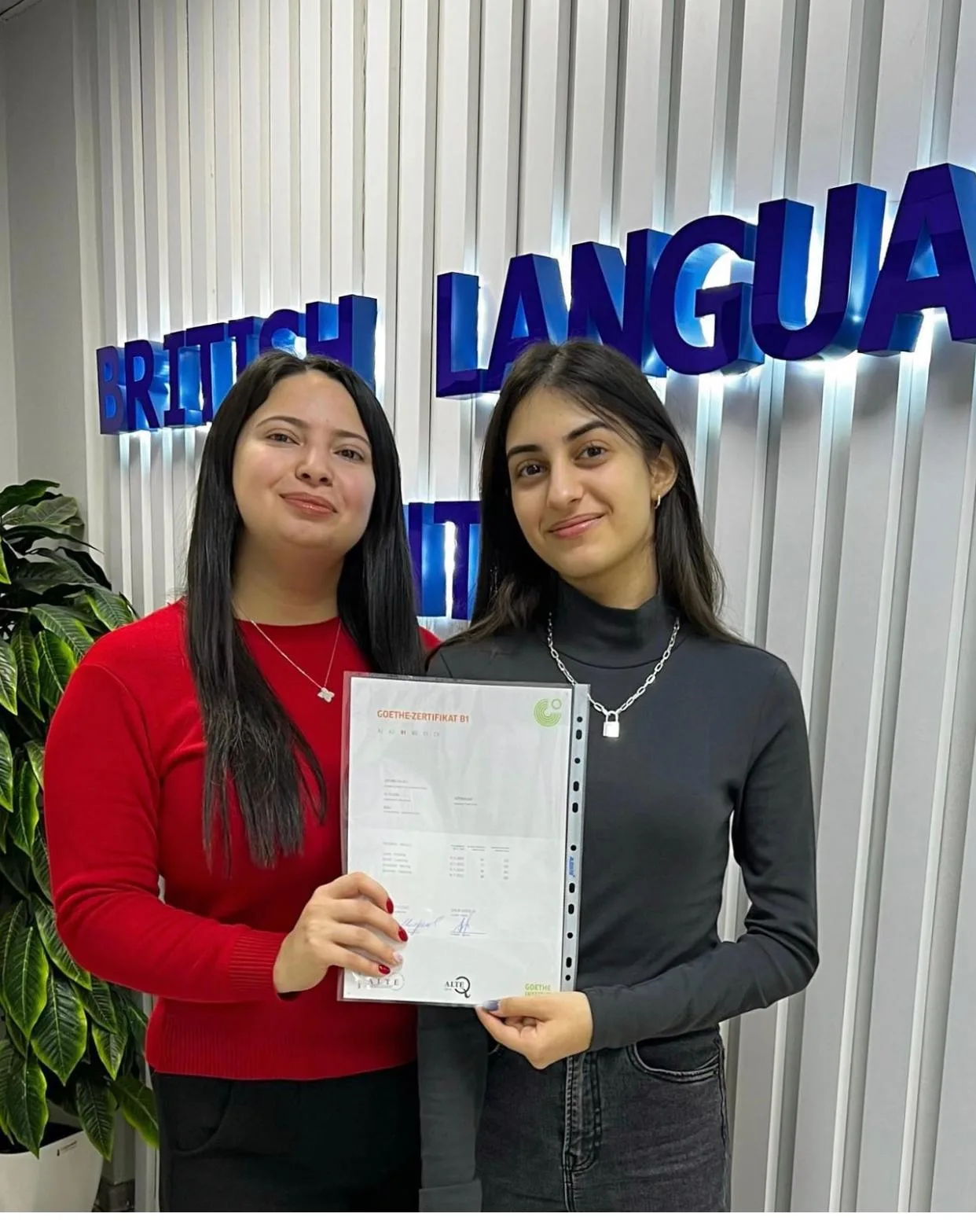
Those preparing to work, study, or live in a nation where the target language is spoken and need to show intermediate language ability.
Students looking for admission to an academic program that needs proof of language efficiency at the B1 level.
Task hunters pursuing functions where intermediate language skills are necessary.
People who want an external recommendation of their language skills for individual fulfillment or professional development.
This certificate is commonly taken for languages such as English, German, French, and Spanish, amongst others.
The Structure of the telc B1 Exam
The telc B1 exam is divided into two parts: the composed exam and the oral exam. The test examines four core language abilities: listening, reading, composing, and speaking.
1. Written relevant web-site written part of the test lasts around 2 hours and 30 minutes and includes 3 essential areas:
Listening (30 minutes): Candidates listen to audio recordings based upon real-life scenarios and answer concerns that test understanding.
Checking out (60 minutes): This section consists of a range of texts, such as emails, ads, informational leaflets, and short articles. Test-takers must demonstrate their ability to understand and interpret written texts in various formats.
Writing (30 minutes): Candidates are needed to write a coherent and structured text, such as a formal email, an individual letter, or an opinion on a topic.
2. Oral Exam
The speaking part is conducted in sets or little groups and lasts about 15 minutes. It includes three parts:
Introduction: Participants respond to concerns about themselves, such as their pastimes, family, or work.
Discussion: Candidates engage in a structured conversation with their partner on a specific topic.
Job Discussion: Participants talk about a given scenario or problem, demonstrating their capability to react appropriately and provide services.
The oral exam evaluates the candidate's fluency, pronunciation, and ability to reveal ideas plainly.
Tips for Passing the telc B1 Exam
Success in the telc B1 exam depends upon constant preparation and familiarity with the test format. Here are some useful ideas:
1. Comprehend telc b1 zertifikat
Understanding the structure of the exam is key to feeling great on test day. Review sample tests and practice with previous exam papers to become familiar with the types of questions you'll come across.
2. Focus on Everyday Topics
The B1-level exam typically focuses on common, real-life scenarios. Practice conversations about topics like travel, pastimes, household, work, and shopping. Strengthen your vocabulary in these areas to increase your fluency.
3. Improve Listening Skills
Frequently listen to audio products such as podcasts, radio programs, and television shows in the target language. Concentrate on comprehending the main points and specific details even when speakers talk at a natural rate.
4. Read Actively
Check out posts, advertisements, e-mails, and narratives in the language you're studying. Pay attention to unfamiliar words, sentence structures, and grammar, and make an effort to incorporate them into your daily speech and writing.
5. Practice Writing
Practice composing short texts such as emails, letters, or essays. Be clear and concise, utilizing proper grammar and vocabulary. Start with simple sentences and slowly incorporate more intricate structures.
6. Deal With Speaking Confidence
Establishing speaking abilities is important for passing the oral portion of the exam. Enlist in conversation classes or practice with native speakers to improve your fluency and pronunciation. Simulate the oral exam scenario with a partner to get used to the format.
7. Stay Consistent
Dedicate time every day to studying. Whether it's 30 minutes of listening practice or writing a brief piece, consistency will help you retain what you discover.
Conclusion
Making a telc B1 certificate is an exceptional way to demonstrate your language proficiency and open doors to new chances in life, work, and education. With appropriate preparation, commitment, and familiarity with the test format, success is well within reach. Start your preparation early, use the offered resources, and approach the exam with self-confidence. Best of luck on your journey to mastering a brand-new language!